

Your eyes rely on a thin coating called the tear film to stay smooth and comfortable. Every time you blink during the day, you spread a fresh layer across the surface. At night, your eyes depend on your closed eyelids to keep that moisture in.
We hear about morning dryness often during eye exams and contact lens fittings, and the cause is usually something in your bedroom or your evening routine. You keep waking up with dry eye because your tear film thins out overnight, and dry air, eyelids that don’t fully close, or clogged oil glands can make that dryness worse by morning.
Signs of Morning Dry Eye
Morning dryness doesn’t feel the same for everyone. Watch for a few of these when you first open your eyes:
- A gritty or scratchy feeling
- Redness
- Burning or stinging
- Blurry vision
- Stringy mucus in the corners of your eyes
Watery eyes can be a symptom too, which surprises a lot of people. When the surface of your eye gets irritated, it can respond by flooding itself with extra tears.
Common Reasons You Wake Up with Dry Eye
Several things can dry out your eyes overnight, and most are easy to overlook. Start by looking at your bedroom and your evening habits.
Dry Bedroom Air
Furnace heat in the winter and air conditioning in the summer both pull humidity out of the air. If a vent or fan blows toward your face while you sleep, the moving air can dry the surface of your eyes and make your tears evaporate faster.
Allergens in Your Bedroom
Dust mites and feathers in your bedding can irritate your eyes all year, and so can a pet that sleeps on your bed. Mite-proof pillow and mattress covers can help.
Some cosmetics can trigger symptoms too, so keep night creams away from your lash line. Oral allergy pills may also add to the problem, since some antihistamines dry out your eyes.
Eyelids That Don’t Fully Close at Night
Some people sleep with their eyelids slightly open, a condition called nocturnal lagophthalmos. Even a small gap leaves part of your eye exposed to air for hours.
Most people only find out they do this because a partner notices. Alcohol and sleeping pills can make it worse.
Clogged Oil Glands in Your Eyelids
Tiny glands along the edges of your eyelids make the oily outer layer of your tear film, which helps keep your eyes from drying out. When those meibomian glands get blocked, they can’t release enough oil, and your eyes may feel dry when you wake up.
Medications
Some medications can also play a part in dry eye, including antidepressants and birth control pills. Don’t stop a prescription on your own. Bring a list of everything you take to your next appointment instead.
How Sleep Quality Affects Your Eyes
Short nights can affect your tears. In one study, people who stayed awake all night made fewer tears and had a less stable tear film by the next morning. Try to go to bed and wake up around the same time each day.
Screens before bedtime deserve some attention. You tend to blink less when you’re focused on a phone or tablet, so give your eyes regular breaks and put your devices down a while before bed.
Home Remedies for Morning Dry Eyes
Start with a few simple changes at home. Optometrists often suggest these first steps for dry eye:
- A humidifier running in your bedroom overnight
- A warm compress over closed eyes every day (doesn’t matter when)
- Preservative-free artificial tears during the day
- A lubricating gel or ointment before bed
- Gentle eyelid cleaning to clear away buildup
Give these habits a couple of weeks before you judge how they’re working.
When to See an Optometrist About Dry Eye
Book a visit if your eyes still feel dry after a few weeks of home care, or if your mornings keep getting harder.
Some symptoms need attention sooner. Reach out for emergency eye care if you notice:
- Eye pain
- Sudden changes in your vision
- Heavy redness
- Sensitivity to light
- Persistent eyelid crusts or discharge
What Happens During a Dry Eye Exam
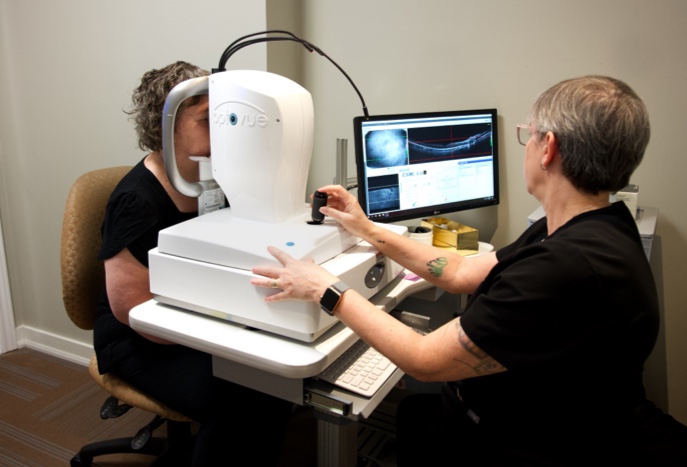
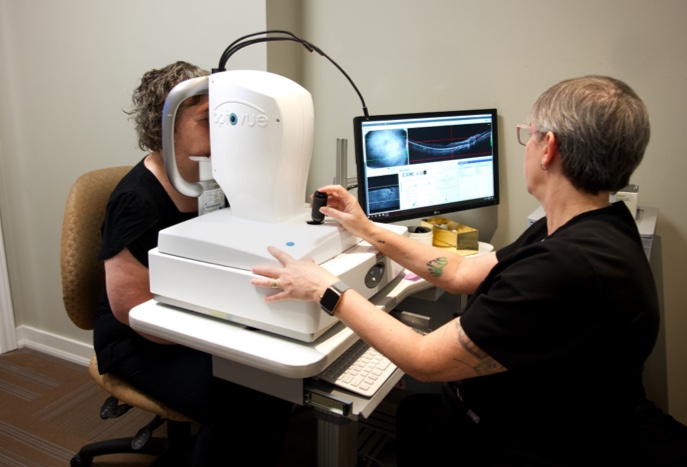
Your optometrist will start by asking about your routine, including your medications and sleep habits. From there, they will check how quickly your tear film breaks up and will take X-ray-like images of the oil glands in your eyelids.
Your treatment plan depends on the cause of the dryness. It may include prescription drops or punctal plugs, which are tiny inserts that slow how fast tears drain from your eyes. For blocked oil glands, we also offer in-office treatments that use heat or light to help rebuild the glands, clear out the inflammation that’s blocking them, and soften the trapped oils within them.
Find Out What’s Drying Out Your Eyes Overnight
Scratchy, uncomfortable eyes every morning can make it hard to start your day. Our optometrists at Orangeville Optometric Centre can help you find the cause of your dryness and build a care plan that fits your routine.
Book an appointment and let’s make your mornings more manageable.